Startup Diaries 101: Episode 1 - Team Building for Zero-Budget Startups
How to build a startup team with zero investment - the roles you need, the qualities that matter, and where to find your co-founders. Learn from real founder experiences about assembling a team that can go the distance.
Building a startup team is probably the hardest and most important thing you'll do as a founder. Here's what I've learned about assembling a team that can go the distance, with zero dollars to spend.
The Four Main Points
When you're building a founding team, there are four qualities that matter more than technical skills, previous experience, or even a great idea:
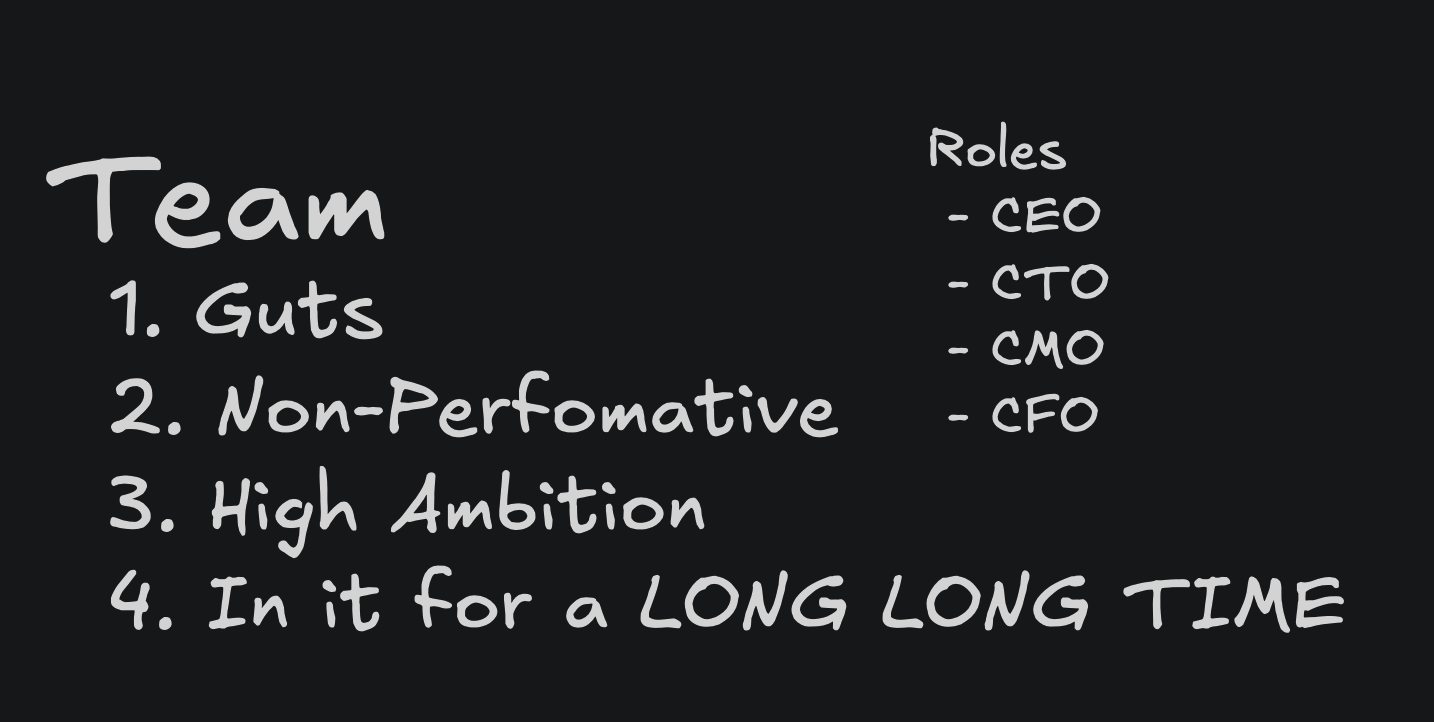
1. Guts
Your team needs people who aren't afraid to take risks. Starting a company means stepping into the unknown, begging for funds, and potentially failing publicly. If someone hesitates when things get uncomfortable, they're not ready for the grind.
Look for people who've done hard things before - not necessarily in business, but in life.
2. Non-Performative
This one's crucial and often overlooked. You need people who care about building something real, not people who want to play startup founder on LinkedIn.
Red flags:
- If all a person does is talk about what they can do, but never do it.
- If they spend most of their days, just flaunting rather than working And lastly people, who only show interest in the first few months of the grind.
Green flags:
- People who are comfortable doing unglamorous work
- They're focused on metrics that actually matters
- People who give less shit about money and more about building a legacy through your product/startup.
3. High Ambition
Your founding team should be slightly delusional about what's possible.
The best co-founders I know aren't satisfied with building a small business or a lifestyle company (nothing wrong with those, but they require different teams). You need people such that, even if you tell them, that you're gonna hit a mill this year, they would dab you up rather than laugh about it.
This ambition is contagious. It's what keeps you going when you're three months from running out of money, when your first product fails.
4. In It for a LONG LONG TIME
This might be the most important quality of all. Starting a company takes longer than you think—usually 7-10 years minimum to build something meaningful.
You need people who:
- Have thought seriously about the commitment
- Understand that this will be harder than a regular job
- Are in it because they're obsessed with the grind, and not chasing a quick exit
The worst thing that can happen is losing a co-founder 18 months in because they "didn't realize it would be this hard" or they got bored or lost interest.
The Roles You Actually Need
For a technical startup (which most are these days), you need four core roles:
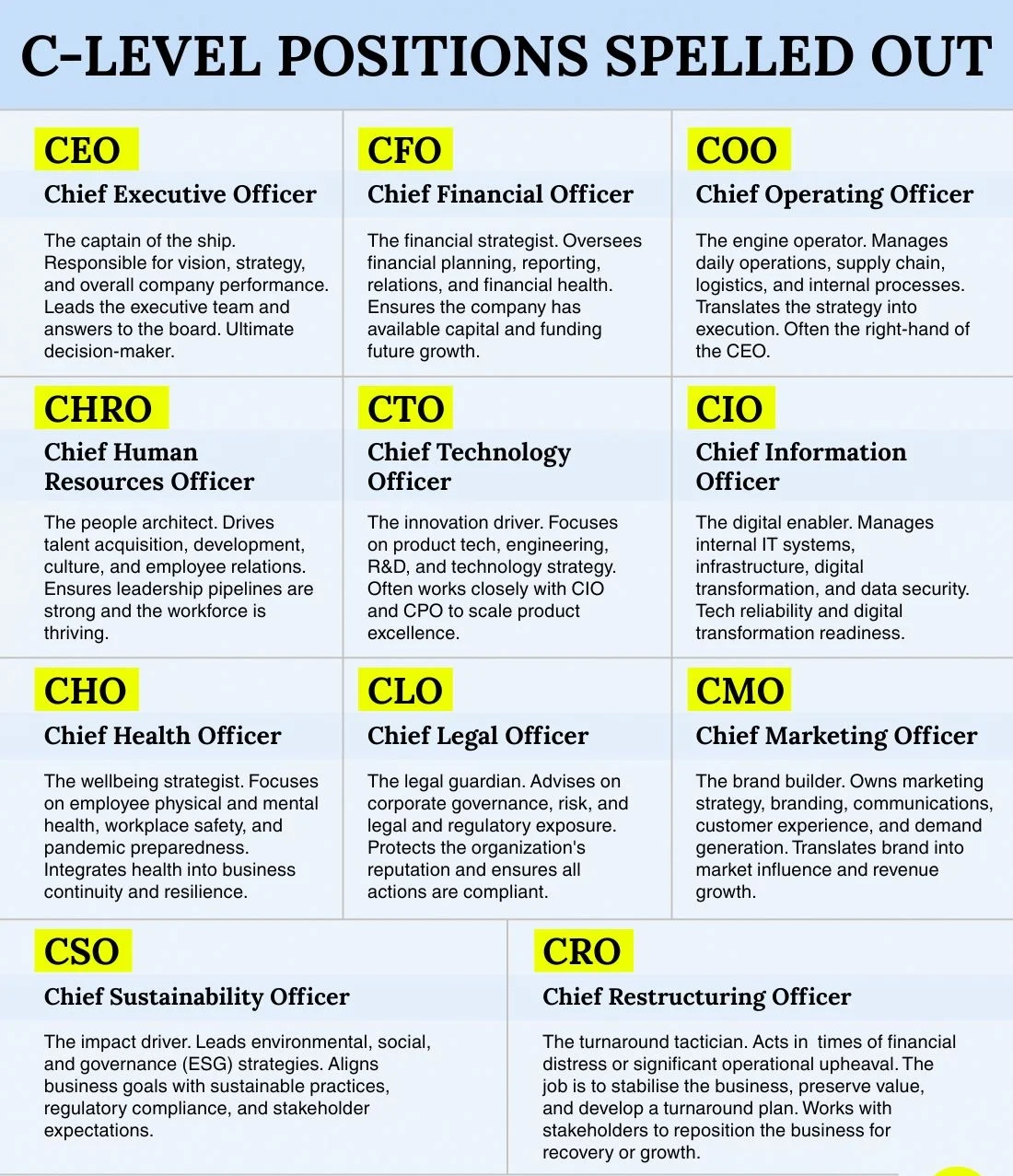
CEO - Chief Executive Officer The person who sets vision, raises money, and makes final decisions. Often the most outward-facing role.
CTO - Chief Technology Officer The technical architect who makes sure you're building the right thing, the right way. They need to code, but also think about technical decisions that will scale.
CMO - Chief Marketing Officer The person who figures out how to get your product in front of customers and convince them to care. In early stages, this is less about traditional marketing and more about understanding customer psychology, growth tactics, and storytelling.
CFO - Chief Financial Officer The person who makes sure you don't run out of money and makes smart financial decisions. Early on, this might be part-time or shared, but you need someone thinking about burn rate, unit economics, and fundraising strategy.
COO - Chief Operating Officer The operational backbone of your startup. They handle the day-to-day execution, systems, and processes that let your team scale without chaos. They handle - hiring, onboarding, vendor management, infrastructure, etc. In early stages, this often overlaps with the CEO, but as you grow, having a dedicated COO becomes crucial for keeping the startup running.
Note: In a 2-3 person founding team, people wear multiple hats. That's fine. Just make sure each area has someone who's truly accountable for it.
How to Find Your Team
Here's the honest truth: finding co-founders is hard. You can't just post a "looking for CTO" message and expect magic to happen. What you can try out though is:-
LinkedIn Posts
Write thoughtfully about what you're building and why. Share your learnings, your struggles, and your vision. The right people will reach out.
What works:
- Specific technical problems you're solving
- Industry insights from research
- Honest posts about challenges you're facing
- Your unique perspective on the market
What doesn't work:
- Generic "we're hiring" posts
- Humble brags about fake progress
- Vague descriptions of your "stealth startup"
- Anything that sounds like a job posting
College & University Networks
You've already spent time with these people. You know how they work, how they think under pressure, and whether you can trust them.
Reach out to:
- Friends who built side projects for fun
- Former classmates who are now working somewhere interesting
- Professors who might know talented students looking for opportunities
Friends & Like-Minded Individuals
Your existing network is underrated. Someone you already know—a former colleague, a friend from a hackathon, someone you met at a conference, etc etc.
The key is being open about what you're working on. Don't wait until you have everything figured out. Talk about your ideas, share your progress, and see who gets excited.
Discord Servers & Online Communities
Multiple tech related discord or startup discord available all over. We here at lanes are also trying to build a Discord Community for ppl all over India, to meet like minded people who are building. THe joining link is at the end of this post. Look for:
- Y Combinator's co-founder matching platform Co-Founder Match
- Niche subreddits for your space: r/cofounderhunt, r/cofounder, r/cofounderasia, r/Entrepreneurs
- Twitter/X communities
Pro tip: Don't just lurk. Contribute value. Help others with their problems, share your knowledge, and build relationships before you ask for anything.
The Reality Check
Here's what no one tells you: even if you find great people, building a founding team is messy. You'll have disagreements about equity, vision, and priorities. Someone might leave. You might have to have hard conversations about performance.
Especially starting out, is really really hard, you gettting the team working for the starting phase, with zero investment and hardly any funds, is the hardest but the most curcial and if you have people staying and working despite this. Then that just means that you found the best team to work with.
What Comes Next
In the next episode of Startup Diaries 101, I'll break down how to actually validate your idea and what actually works.
Until then: start having conversations. The worst time to look for co-founders is when you desperately need them. The best time is right now, even if you're not sure what you're building yet.
Building a startup? I'd love to hear what you're working on. DM me on Instagram or shoot me an email. Socials Linked Below.